Lecture Series
May 2026 Lecture
Tashiding, Beyond Earth and Sky
with Douglas Hamilton, Jr. and Norman Baker
Date: Tuesday, May 5, 2026 (Note: This is the first Tuesday in May!)
Time: 7:00 pm cookies & conversation; lecture at 7:30
Members Only Livestream: Members who wish to attend virtually may do so by registering below. The lecture will be recorded. The recording will be available for one week following the lecture only to members who have registered.
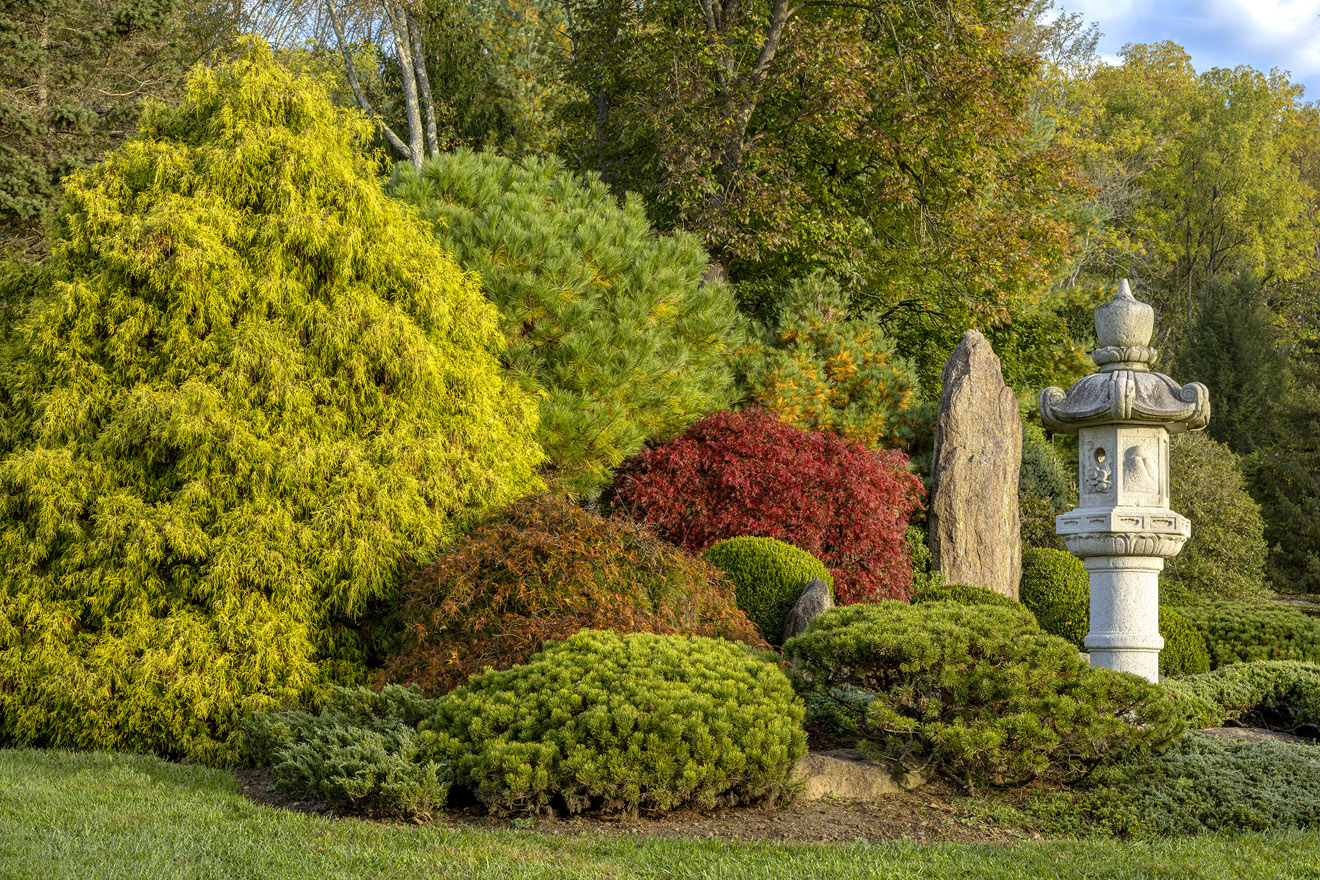
What happens when a Maryland farmhouse becomes the canvas for a love story spanning continents, cultures, and kingdoms? Join us for a captivating evening exploring Tashiding, one of the mid-Atlantic’s most extraordinary private landscapes.
In 1972, Douglas Hamilton traveled to New Delhi and fell in love with Tsognie Wangmo—the eldest daughter of the last king of Sikkim, a Himalayan kingdom on the eve of its dissolution. Nearly twenty-five years later, the couple would channel the full arc of their remarkable lives into something rooted and enduring: a one-hundred-acre property in the Maryland countryside, centered on a lovingly restored stone farmhouse and brought to life through gardens that reflect both their intertwined heritages and their deep reverence for art and nature.
What makes Tashiding especially inspiring for gardeners is what its owners chose not to do: they hired no professional garden designer. Instead, the landscape evolved through intuition, experimentation, and an attentive, unhurried relationship with the land —an approach that will resonate with gardeners of every level.
Through Norman Baker’s stunning seasonal photography, this talk will take us on a visual journey through the property’s many gardens, tracing the living imprint of two extraordinary family histories on a single piece of ground.
Come prepared to be enchanted—and perhaps to see your own patch of earth a little differently.
*Douglas and Norman will sign copies of Tashiding: Beyond Earth and Sky, The Gardens of Douglas & Tsognie Hamilton following the lecture, but there will be no book sales this evening.

Douglas Hamilton Jr., a self-taught gardener, credits his lifelong curiosity about the natural world, horticulture, travel, and Asian aesthetics as inspirations for the gardens he and his wife, Tsognie, developed at Tashiding.
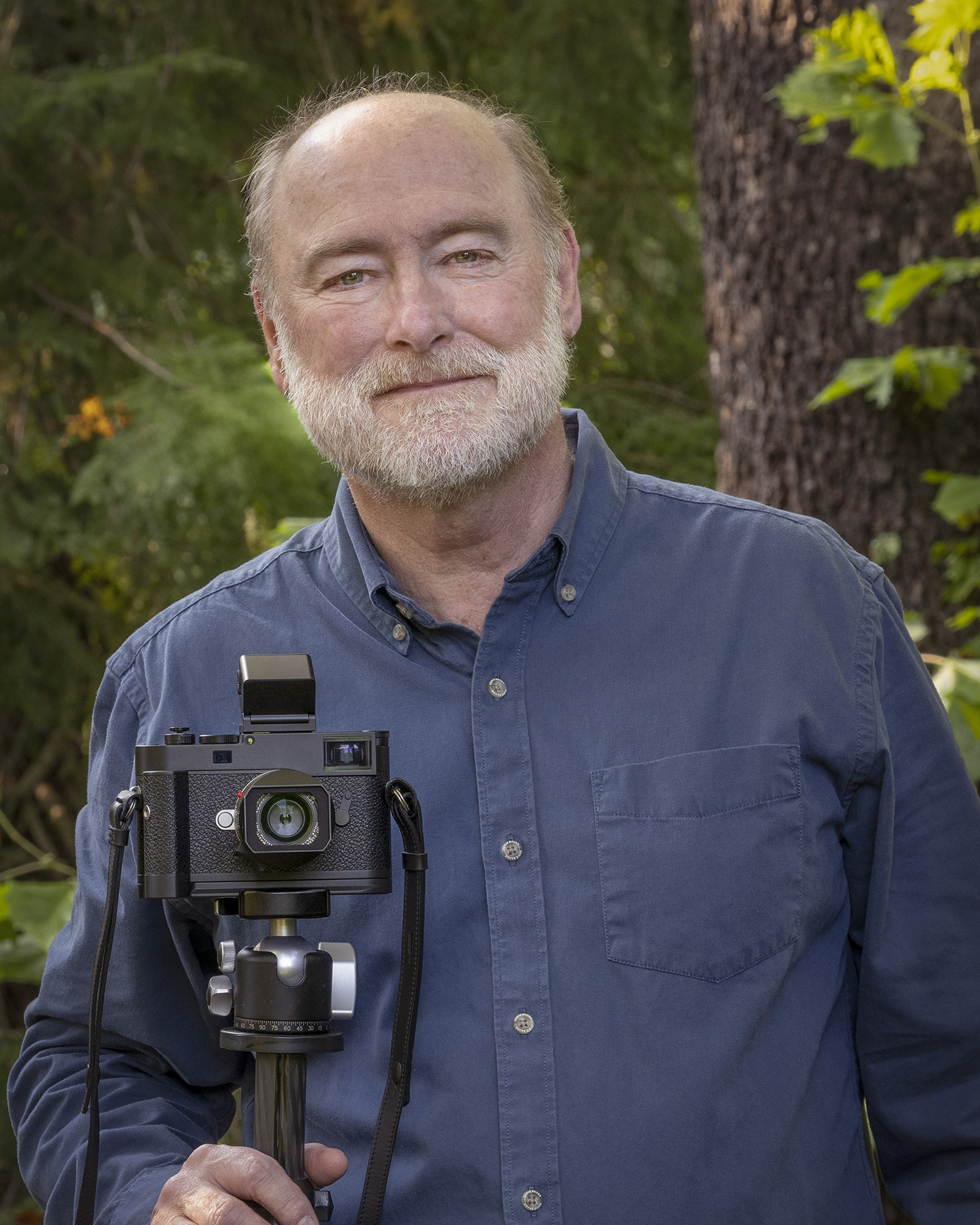
Norman Barker is a Professor Emeritus of Pathology and Art as Applied to Medicine at the Johns Hopkins University School of Medicine and is an award-winning science photographer, writer, and designer.
Member Livestream Registration for the May Lecture

Previous Lectures
Resilient Gardens for a Changing World with Claire Jones
What does it take to build a garden that doesn’t just survive—but thrives—no matter what the climate throws at it? This presentation dives into the art and science of resilient landscape design, exploring drought-tolerant and flood-adapted planting, biodiversity through thoughtful layering, and the smart pairing of native “backbone” plants with climate-tough exotics. You’ll walk away with practical, actionable tools to future-proof your garden through inspired plant selection, ecological thinking, and design strategies that grow stronger over time.
Conquer the Soil with Abra Lee
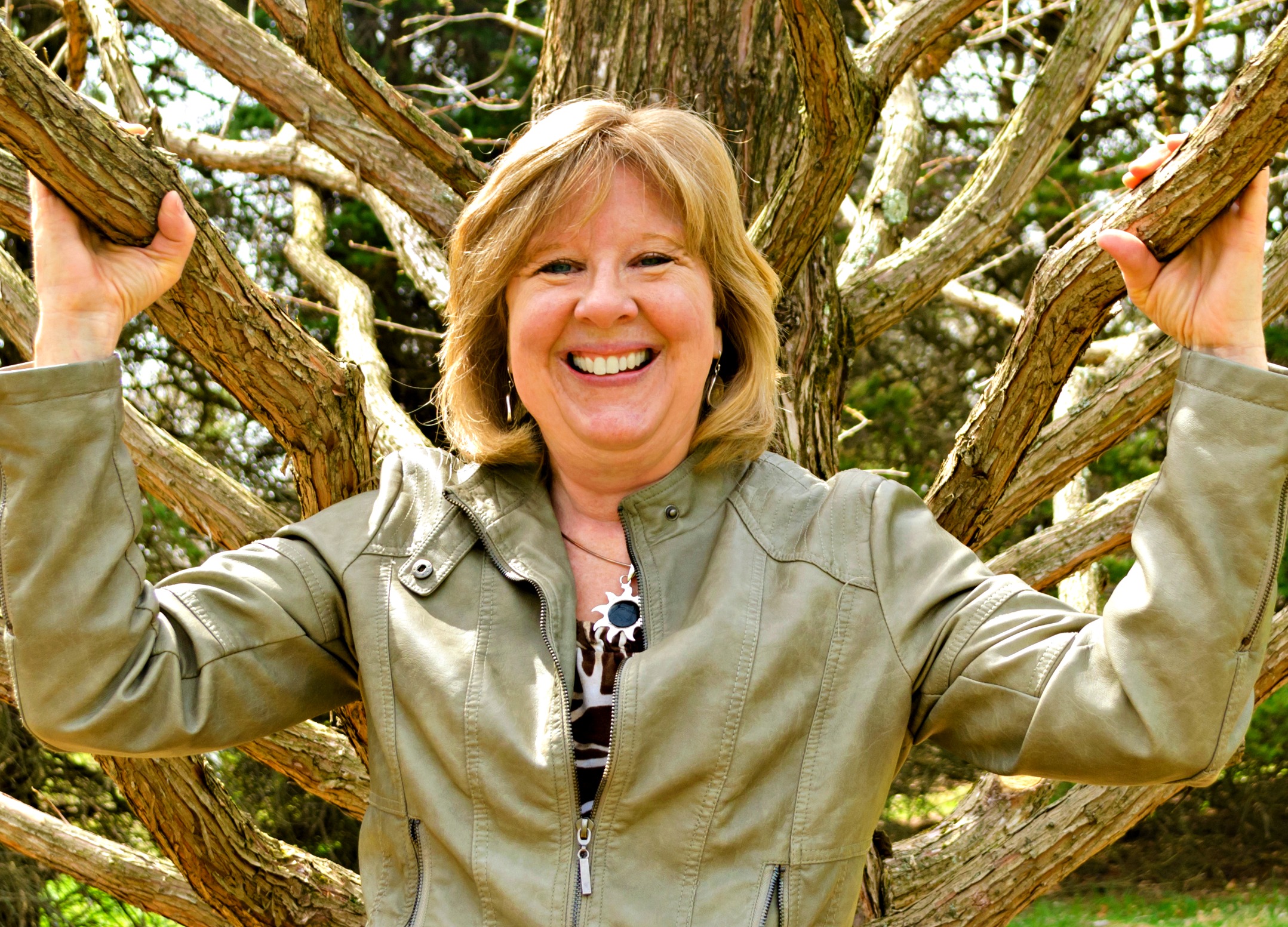
We are delighted to welcome Abra Lee in person. Her energy was evident when she last joined us via Zoom in February 2023, and we look forward to her return. Abra will introduce us to the hidden figures of horticulture celebrated in her new book, Conquer the Soil: Black America and the Untold Stories of Our Country’s Gardeners, Farmers, and Growers.
Native Ferns, Mosses and Grasses From Emerald Carpet to Amber Wave: serene and sensuous plants for the garden With Bill Cullina
Ferns and grasses are the canvas on which nature paints its portraits. Whether it is a lush forest floor, boggy carpet, or rustling prairie, these plants are there, weaving in and around and knitting together their chosen tapestry with a soft, tangible grace that is so subtle that it is overpowering when you really, truly stop and see. Stripping away names and associations, gardens and landscapes are fusions of form, color, and texture. The three act in concert to create spaces, moods, and aesthetic impressions. Though we tend to focus on color, it is form and texture that really create spaces and give them tone and mood. In a sense, color is candy for the eye, while texture and form are the starch and protein—richer, more complex, and enduring. In this one-hour tour, Bill Cullina, the Executive Director of the Morris Arboretum & Gardens and author Native Ferns, Moss, and Grasses will introduce you to some of his favorite texturally rich and visually delectable native ferns, grasses, and sedges.
The Rhizosphere: Understanding Life Underground Louise Clarke
In the soil immediately surrounding plant roots, a teeming unseen web of life thrives in the rhizosphere. Like a newly encountered “lost” jungle tribe, there are unfolding discoveries of this underground society where roots, animals, and microbes interact. The associations go beyond the known fungus/plant interactions of the mycorrhizal network. Bacteria also play important roles, interacting within and around roots. Learn about the intriguing intercommunications of roots with soil fungi and bacteria and how this knowledge is leading to the development of safer biopesticides, enhancing plant resistance to pathogens, and contributing to agricultural and home gardening success.
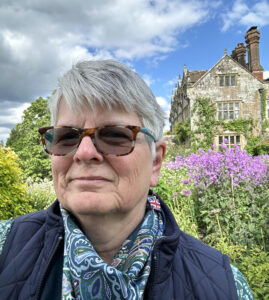
Recycled Landscapes with Martha Keen and Hans Hesselein, Apiary Studios
Many of the landscapes that Apiary Studio creates are made from materials that are typically excavated from demolition sites or thrown out as remnants, cutoffs or scraps. We are driven by the design challenge to give recycled materials and disused spaces a second life through thoughtful craft and construction. There is so much room to explore what is considered waste, and what is actually sustainable. This presentation will focus on our process and belief that often the lightest touch can be the most revealing solution.


Food Forests Made Simple: Fruits & Berries for the Mid-Atlantic with Michael Judd
Join edible landscaper, author, and permaculture designer Michael Judd for an engaging journey into the art of growing food with beauty, resilience, and ease. This talk explores how to create edible landscapes with a permaculture twist, highlighting some of the most rewarding fruits and berries to grow in the Mid-Atlantic region. Michael will showcase practical, low-maintenance designs and naturally resilient plants that thrive with minimal effort—perfect for home gardens, backyards, and larger landscapes. Along the way, you’ll discover simple food forest design techniques that create thriving ecosystems supporting both biodiversity and abundance. Whether you’re just starting your edible gardening journey or already an experienced grower, you’ll walk away with inspiring ideas and hands-on strategies for cultivating delicious, regenerative food right where you live.
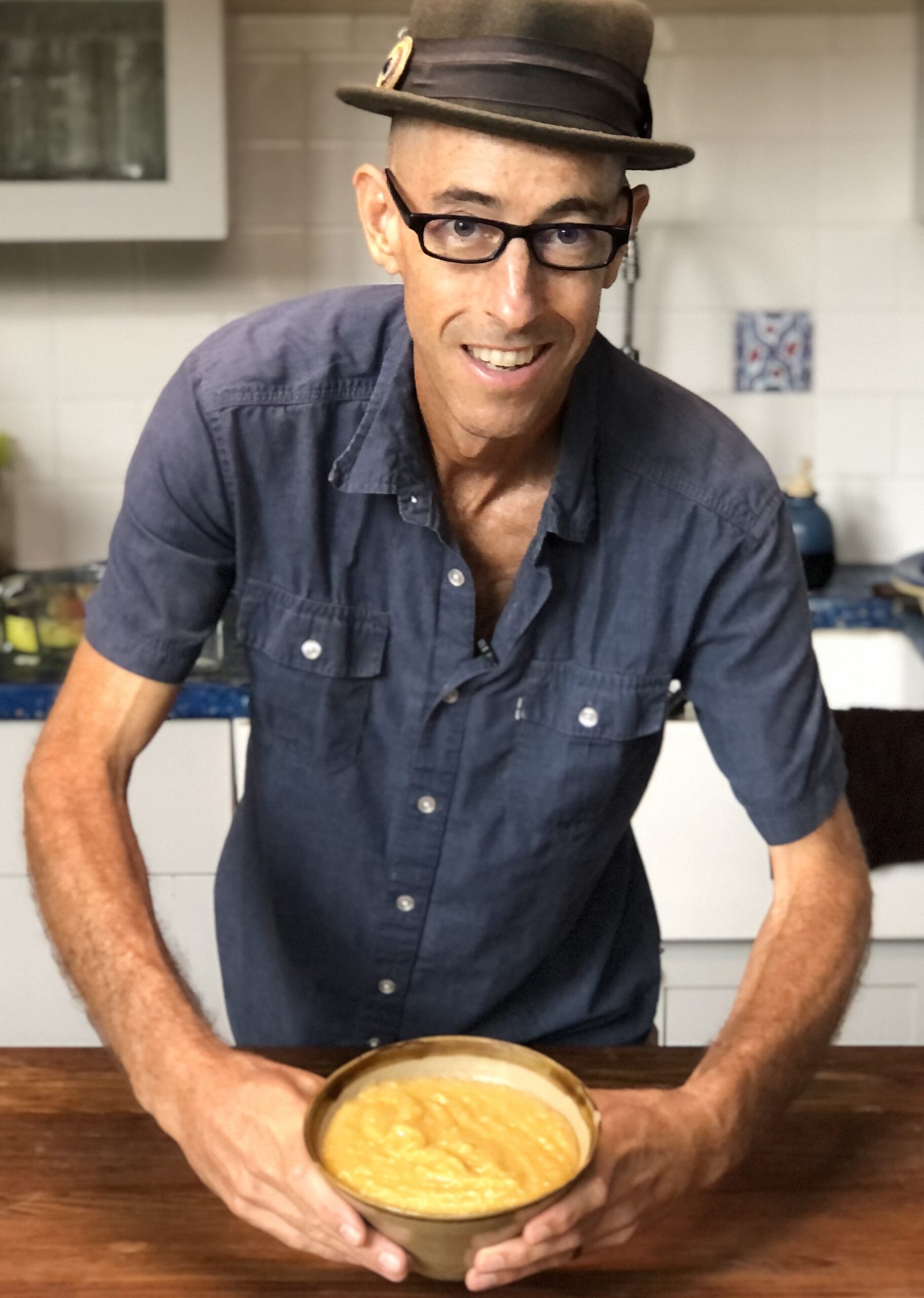
September 2025: Designing with Bulbs with Lisa Roper
The vibrant photos in bulb catalogs offer endless possibilities, and it can be overwhelming to choose! Join Lisa Roper as she helps us narrow down the options, focusing on fall-planted, spring-blooming bulbs, including many unique varieties. Lisa will discuss the cultural requirements for bulbs to thrive, as well as how to effectively combine them with perennials, annuals, grasses, and other bulbs for optimal visual impact. She will also cover essential planting techniques, tips for perennializing bulbs, and strategies to deter critters.

May 2025: Water Becomes a Garden; an Introduction to Aquatics with Kelly Billing
Water has a special place in gardens, creating a haven for wildlife, enhancing beauty, adding calming sounds, and allowing reflection. For centuries, people have incorporated water features and water plants into outdoor spaces with wonderful results. While the use of water features was historically limited to only intensively cultivated gardens, new cultivars and growing methods have made keeping aquatic plants easier than ever, fitting into even the most modest space. See how water becomes a garden!
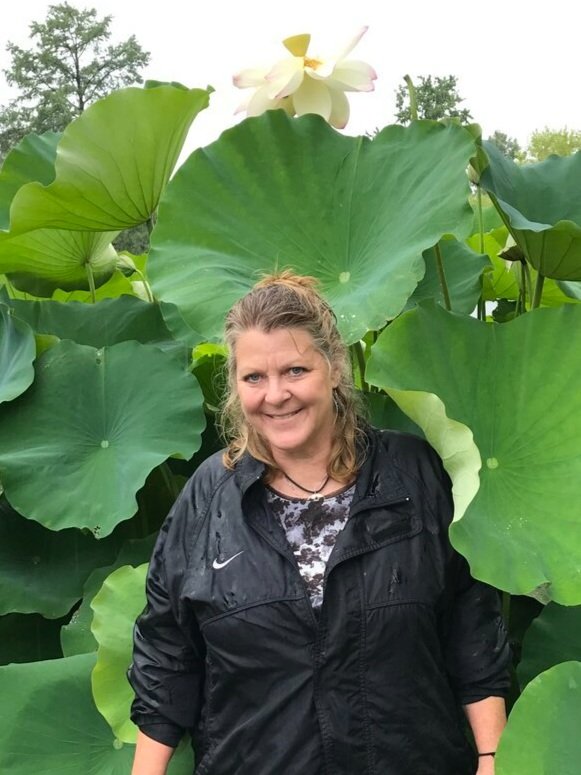
April 2025: Versatile Viburnums with Vincent Simeone
Viburnums, cultivated globally for centuries, offer exceptional landscape value. Their beauty, fragrance, adaptability, and pest resistance make them a favorite among gardeners. They serve diverse functions, providing food for birds and pollinators and enhancing the aesthetics of any space. This lecture will showcase a wide array of viburnums, from popular favorites to lesser-known gems, highlighting the incredible diversity of this genus. We will explore deciduous and evergreen varieties, as well as tree and shrub forms. The presentation will delve into the landscape value and cultural adaptability of viburnums, discussing their use in both natural and cultivated settings. We will also cover soil and light preferences, and address IPM strategies for managing the viburnum leaf beetle.

March 2025: Tropical Fusion: Playing with Tropicals in Temperate Gardens with Marianne Willburn
Our tropical summer weather is perfect for tropical plants. They can infuse the temperate landscape with vibrant energy and excitement, offering striking design elements during the hottest months of the growing season. However, many temperate gardeners, unfamiliar with these plants, may hesitate to experiment, concerned about ending up with gaudy Victorian bedding schemes or struggling with winter care. Marianne will present four memorable categories and share design tips aimed at enhancing the temperate garden without overwhelming it. She will highlight some spectacular examples suitable for containers and garden beds—many of which are surprisingly easy for home gardeners to overwinter. A plant list will also be provided.

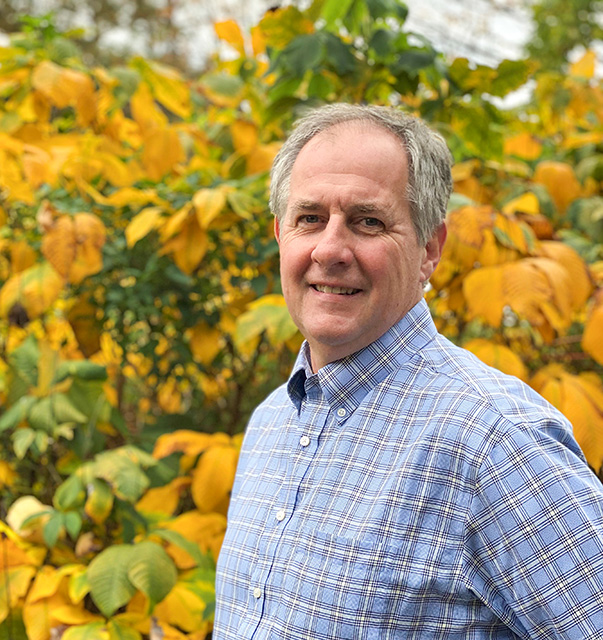
February 2025: What do You Mean I'm Not a Perennial?—Native Shrubs and Small Trees for Perennial Companionship with Bill Cullina
Most folks are familiar with the concept of the mixed border—perennials, annuals, shrubs and evergreens blended together in a seamless composition with year-round interest. It sounds good in theory, but transplanting this concept into a real garden is more difficult than it seems. Not all woody plants mix well with perennials and annuals for several reasons, including differing soil and fertilization needs, incompatible growth habits, aggressive root systems, or fear of crowds. This said, there is a number of native shrubs and small trees that mix wonderfully with herbaceous perennials and annuals. Many can even be cut back every year or two just like their non-woody neighbors to control their size and promote flowering and vigorous growth. In this talk, Bill Cullina will profile his favorite fifty “natural mixers,” focusing native woody plants that bring, form, texture, color and wildlife to the perennial garden.
|
William Cullina is the F. Otto Haas Executive Director of the Morris Arboretum of the University of Pennsylvania. Prior to this he was the President and CEO of Coastal Maine Botanical Gardens for eleven years. Cullina holds degrees in plant science and psychology and has been working in public horticulture for 30 years. He has extensive experience in horticultural and forestry research and commercial nursery production. He has won several awards, including the Scott Medal and the Award of Excellence from the Garden Clubs of North America. A well-known author and recognized authority on North American native plants, Cullina lectures on a variety of subjects and writes for popular and technical journals. His books include Wildflowers, Native Trees, Shrubs, and Vines, Understanding Orchids, Native Ferns, Mosses, and Grasses, and Understanding Perennials. |
 |
December 2024: Native Trees for the Home Garden with Andrew Bunting
When selecting trees for the home garden, incorporating native trees offers the opportunity for both aesthetic and environmental value. In this presentation, Andrew Bunting will explore native trees for the home garden. He will cover key considerations to make when designing with them, species recommendations, including evergreens, and tips and tricks to care for them and ensure they continue to thrive for years to come. Discover the endless design possibilities that native trees offer and walk away with the education and confidence needed to incorporate them into your space.
|
Andrew Bunting is Vice President of Horticulture at the Pennsylvania Horticultural Society. He leads the utilization of planting and design to promote environmentally sound gardening practices at PHS. Andrew received his B.S. in Plant and Soil Science from Southern Illinois University. Prior to arriving at PHS, Andrew worked at the Chicago Botanic Garden, Chanticleer Garden, and the Scott Arboretum for a tenure of 27 years. He also serves on the Board of Magnolia Society International. Andrew published his first book in 2015, The Plant Lover’s Guide to Magnolias. |
 |
Thank you to Gibson Landscapes for their generous sponsorship of the November lecture. |
November 2024: Designing with Shrubs for Fall and Winter Interest with Eva Monheim
By making the right selections of plants, you can extend the beauty of your garden through the seasons when most plants are not blooming. Eva will discuss winter blooming plants. Many may also have beautiful foliage or bark, and many of them even have fragrance! Make your garden a place you want to be, even in winter.
|
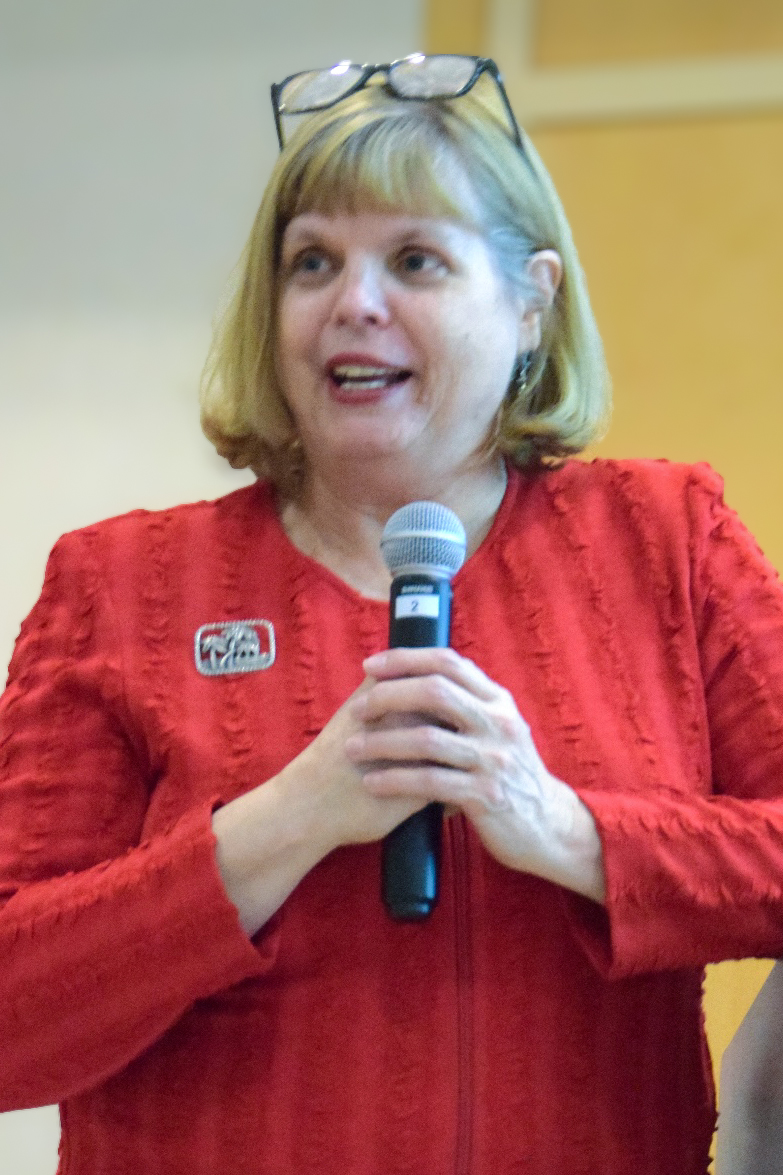
Eva Monheim is a speaker, horticultural and environmental consultant, garden coach, and an award winning university educator. She is a faculty member at Longwood Gardens for the Professional Horticulture Program and Continuing Education Department. Monheim was an assistant professor at Temple University. She produced the gold medal winning Plant a Trillion Trees Podcast, and authored Shrubs and Hedges. |
 |
Thank you to Gibson Landscapes for their generous sponsorship of the November lecture. |
September 2024: Writing the Yard with Tom Horton
Writing The Yard with Tom Horton
|
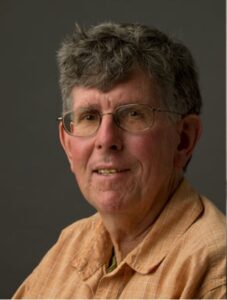
Join renowned environmentalist Tom Horton on his journey from crabgrass to urban forest. In 15 years, he has filled his modest urban yard with over 100 species of predominately native trees and shrubs. It has become a habitat, in his words, “the soils allowed to utter all their notes rather than drone the tone of lawn.” More than that, it has become a fertile seedbed for his writing and teaching. E. B. White said, “I arise in the morning torn between a desire to improve the world and a desire to enjoy” it. Tom will show us how he has managed to do both. Tom Horton needs no introduction to many of our members. An Eastern Shore native, he is the nation’s leading environmental journalist on the Chesapeake Bay. He has long written on environmental issues, for The Baltimore Sun from the early 1970s until 2006, for numerous magazines, and currently for the Bay Journal. He has produced documentaries on the Bay, is the author of eight books winning multiple awards and is an adjunct professor of Environmental Studies at Salisbury University. |
 |
Thank you to Pinehurst Landscape Company for their generous sponsorship of the September lecture. |
 |
May 2024: Creating Memorable Gardens with Allan Summers
 Discover the art of cultivating a distinctive garden that reflects your aspirations and preferences. Join Allan Summers as he unveils his methodology for crafting extraordinary spaces, showcasing a variety of gardens that exemplify design principles, harmonious plant pairings, and various sources of inspiration.
Allan Summers is a principal in RAS Landscape Architects of Media, PA. He has a passion for horticulture and fine art and over 30 years’ experience providing planning and design services through all phases of landscape architecture from conception through final construction. His interests are reflected in a wide variety of projects. Some of the work with which Allan has been involved will be familiar to many of you: RAS developed the site master plan and initial concepts for the entry and arrival sequence, parking, buildings, and the meadow garden at Delaware Botanic Gardens. They developed the Master Plan to guide the first phase of Chanticleer’s transition from private estate to public garden and developed the plans for the planted public parking area, visitor restrooms and circulation, and an arbor overlook at the ponds. They received the Trumbauer Award for providing the planning and expertise to oversee the full-scale historic restoration of the gardens at Nemours.
Special Thanks to Leigh Barnes for sponsoring our May lecture!
April 2024: Choice Conifers of the Mid-Atlantic Landscape with Joseph Meny
Choice Conifers of the Mid-Atlantic Landscape
with Joseph Meny
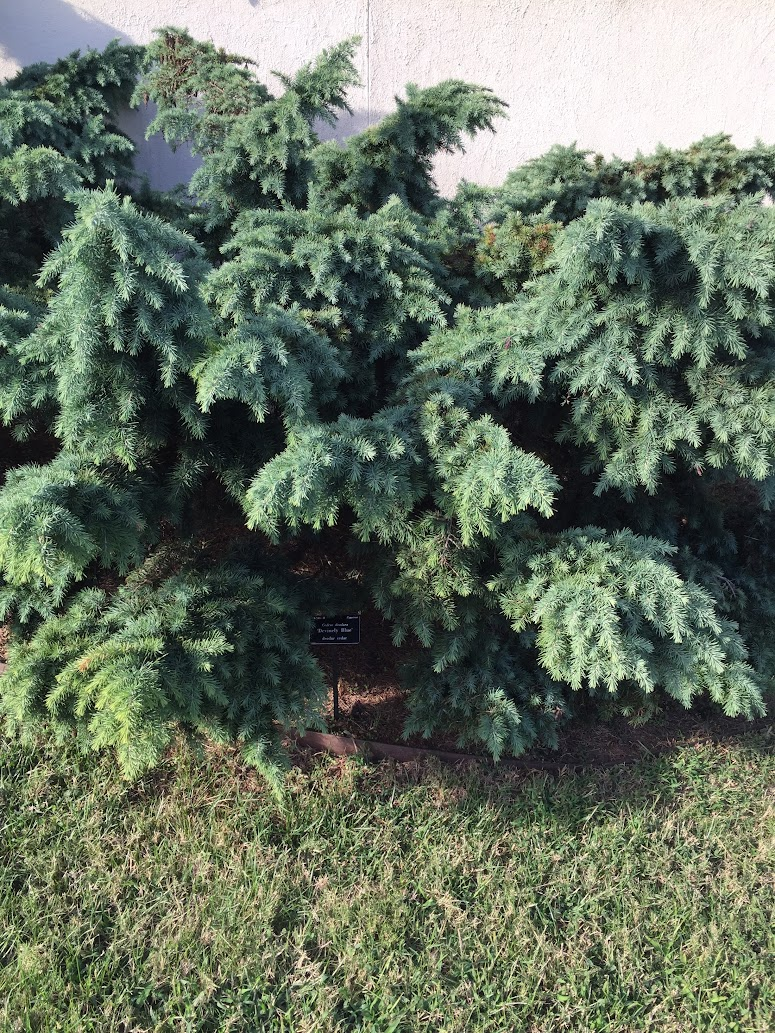
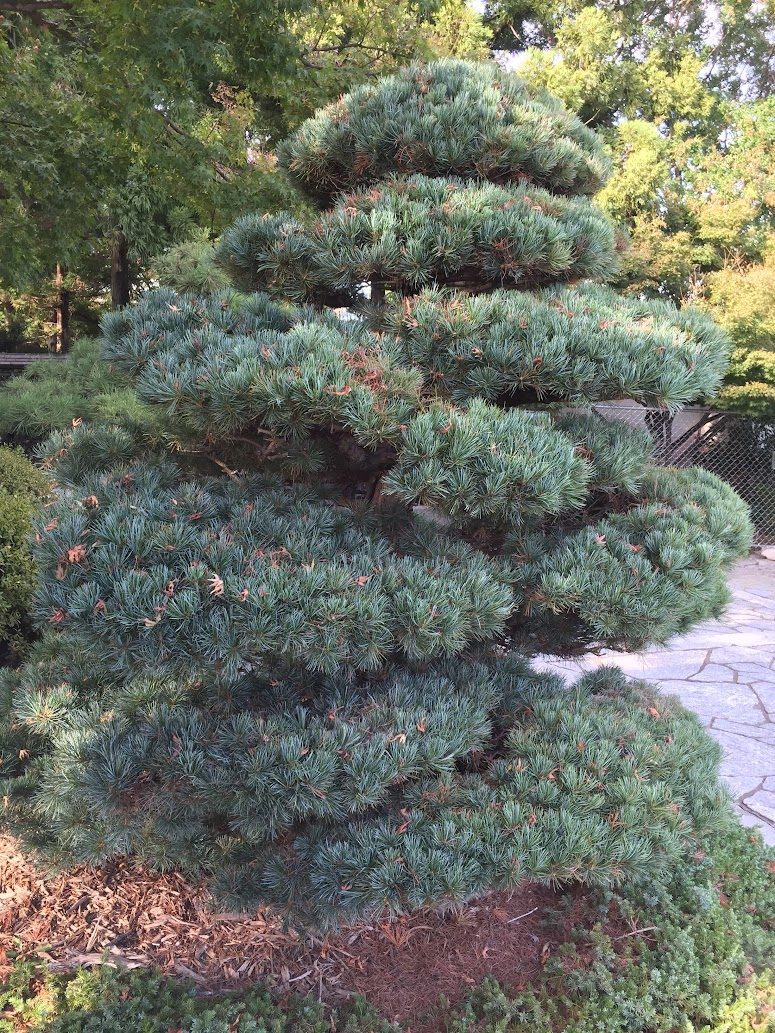
Conifers perform many functions in the garden. There is a huge variety well suited to our gardens in the Delaware, Maryland and Washington area. Joe Meny will discuss the considerations one should make before selecting a particular conifer for the landscape setting. He will then introduce us to varieties that showcase unique characteristics, illustrating how conifers can be both focal points and the backbone of the garden.
Joe Meny has been at the U. S. National Arboretum since 2007 and is now the horticulturist in the Conifer and Maple Collections. He is tasked with maintaining the aesthetic and cultural requirements of plants in the garden while directing the future development of these collections through new acquisitions and germplasm.

Special Thanks to Pinehurst Landscape Company for sponsoring our April lecture!
March 2024: Understanding Your Soil with Neith Little
Understanding Your Soil
with Neith Little
Date: Tuesday, March 12, 2024
Time: 7:30 pm,
Location: Vollmer Center at the Cylburn Arboretum
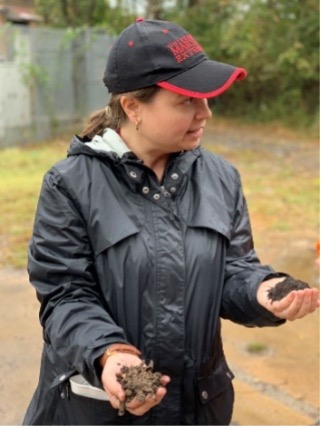
So much of the health of our gardens depends on what is happening underground. Gain a better understanding of basic soil principles and how we can use that information to improve our garden soils. Unearth the science beneath your feet and cultivate a garden that flourishes from the ground up.
Neith Little has been the urban agriculture Extension Educator for Baltimore City since 2016. She has worked as an agricultural Extension Educator for Dakota County, Minnesota and as Assistant Grower at Hampshire College Farm. Neith earned an M.S. from Cornell University in Soil and Crop Sciences and a B.A. from College of the Atlantic in Human Ecology.
Special thanks go out to our March Lecture sponsor Babikow Wholesale Nursery.

October 2024: Spotted Lanternfly: Biology, Ecology, and Management with Dr. Michael Raupp
|
Spotted lanternfly has reached outbreak levels in several parts of our country including in Maryland. Learn from Dr. Michael Raupp about the invasion biology of it in our region—where it came from, how it arrived, and how it spreads. He will also explain its seasonal life cycle, patterns of host use and what threats lanternfly poses to plants, people, and pets. Mike will share the latest on the extent to which natural predators are responding to this invasion and what other control tactics we can use to mitigate problems caused by this pest. Dr. Michael Raupp is Professor Emeritus and Extension Specialist at the University of Maryland, Mike is also a Fellow of the Entomological Society of America. He has received national and international awards for writing, scholarship, and science communication. His “Bug of the Week” website, www.bugoftheweek.com and YouTube channel www.youtube.com/user/BugOfTheWeek reach thousands of viewers weekly in more than 200 countries. His most recent book “26 Things that Bug Me” introduces youngsters to the wonders of insects and natural history while “Managing Insect and Mites on Woody Landscape Plants” is a standard for the arboricultural industry. |
 |
Thank you to North Hill Tree Experts for their generous sponsorship of the September lecture. |
Feb 2024: The Diversity, Ecology, and Propagation of Native Plants (Take 2) with Stan Kollar
The Diversity, Ecology, and Propagation of Native Plants, Take 2 featuring Stan Kollar
Date: Tuesday, February 13, 2024
Time: 7:00 pm
Format: This lecture will be a Zoom webinar. The program begins promptly at 7:00. The virtual doors will open at 6:55. This event will be recorded, and the recording will be available to registered participants for one week after the lecture.
Cost: The lecture is free to members, $10 for non-members.
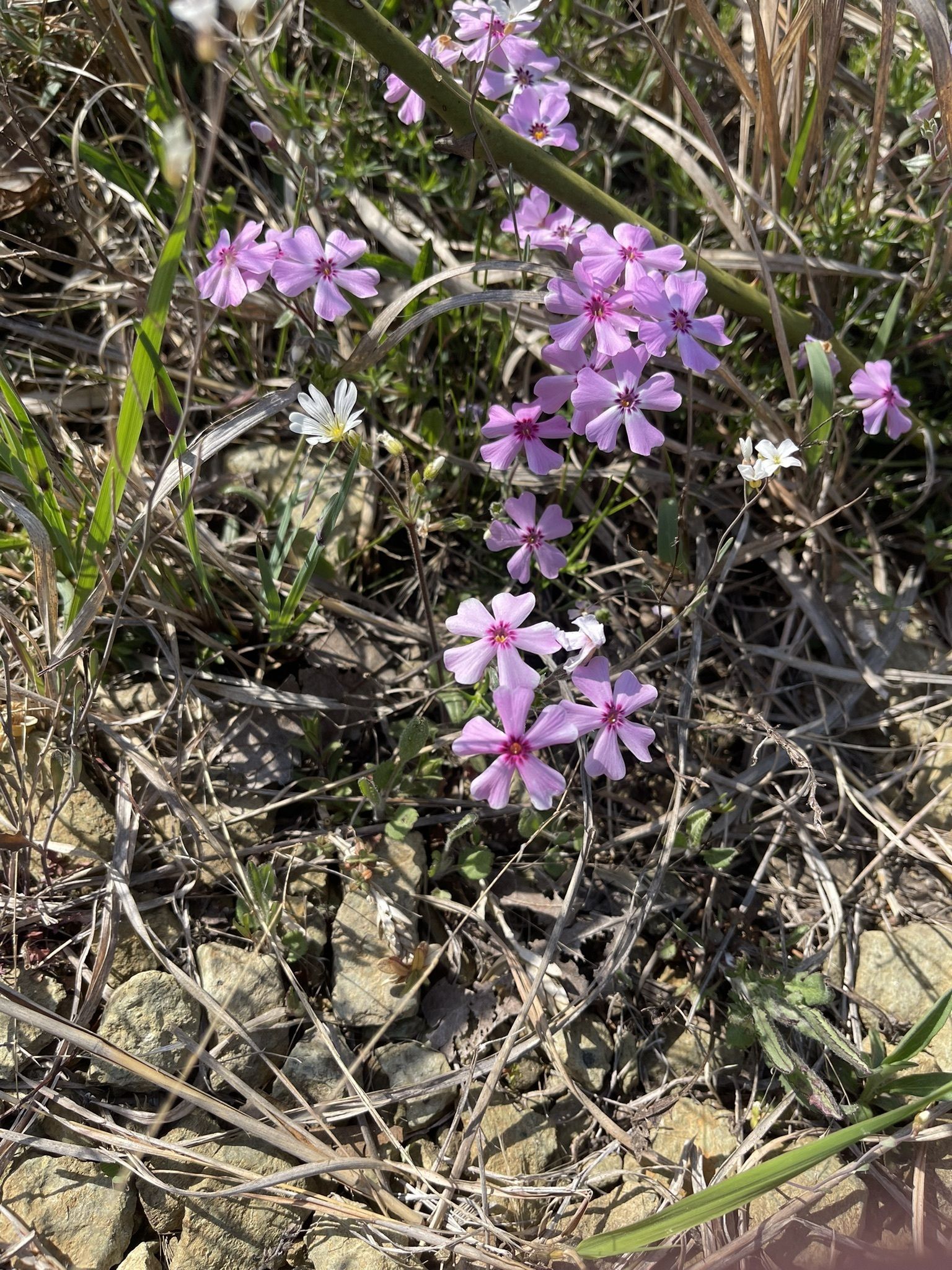 Join Stan Kollar as he returns to make the presentation meant for our April meeting last year. Explore the rich history and current challenges faced by the flora of eastern North America with Stan Kollar. From woodlands to successional fields, and unique habitats like bogs and serpentine barrens, we’ll delve into the fascinating world of diverse plant species, their ecology and their critical role in today’s environment. Discover the intriguing stories of many unique species that have either vanished or are in serious decline, prompting us to reflect on the importance of their preservation. Stan will encourage us to contribute to the conservation effort by transforming our gardens and properties into habitats and refugia. We can preserve these species until we, as a society, prioritize and invest more in the conservation of these vital plant species.
Stan Kollar, with a passion for plants and ecology since his days at UC Santa Barbara in 1972, brings a wealth of knowledge to our session. In 1985, he and his wife Sharon founded Kollar Nursery, specializing in the cultivation of native plants indigenous to eastern North America. Serving as a Professor of Biology and Earth Science at Harford County Community College from 1976 to 2017, Stan’s professional journey spans landscape design, wetland restoration, water quality improvement, forest conservation, renewable energy, and the restoration of submerged aquatic vegetation (SAV) in the Chesapeake Bay. Having explored every state in the U.S. and 13 other countries, Stan is both a seasoned traveler and an accomplished photographer.
Dec 2023: Planting for the future: Right Tree Right Place with Robert Shaut
Planting for the Future, Right Tree, Right Place with Robert Shaut
Date: Tuesday, December 12, 2023
Time: 7:30 pm
Location: Vollmer Center, Cylburn Arboretum
Cost: The lecture is free to members, $10 for non-members.
Registration: Registration is not required for the in person lecture. Members who wish to attend virtually must register, using the button below. The lecture will be recorded. The recording will be available for one week following the lecture only to those who have registered.
As gardeners, our mantra is “Right plant, right place.” For trees, this becomes even more important. Species selection is becoming more and more imperative for gardeners, horticulturists, arborists, and landscape designers. With more pronounced droughts and precipitation events and unpredictable weather, selecting species for future climates is our responsibility.
Learn how to cultivate biodiversity and adaptive species that can sustain the volatility of the future. Trees have a critical role in combating heat islands and air pollution and in stormwater mitigation, particularly in underserved communities.
Robert Shaut is Director of Tree Operations at Casey Tree, which plants more than 6,000 trees a year in Washington DC, and maintains thousands more. Robert holds a degree in horticulture from Longwood Gardens, a Bachelor of Science in Business Management from Clemson University, and studied at the Royal Botanic Garden in Edinburgh, UK.
Special thanks go out to our December Lecture sponsor Alpine Tree Professional Tree Care.